

Studies have shown that women generally take longer than men to process alcohol. Men may metabolize alcohol more quickly due to higher levels of alcohol dehydrogenase (ADH) in their stomach and liver. Finally, replacing some alcoholic beverages with water has numerous other health benefits.

Does Drinking Water Flush Alcohol Out of Urine?
- Studies have shown that men tend to metabolize and excrete ethanol more quickly than women due to differences in hormones and enzymes involved in metabolism processes.
- Additionally, alcohol can cause low blood sugar, so consuming crackers or rice can help balance your blood sugar levels.
- However, drinking carbonated beverages, eating before or during drinking, and exercising may help.
- When drinking large amounts of water in an effort to reduce the effects of alcohol, it can lead to a condition called hyponatremia.
This will help them avoid dehydration and will also help flush out any toxins in their system as quickly as possible. It is important to note that this is just a general guideline and does not necessarily apply to all individuals. If a person has a high body weight or consumes more than one alcoholic beverage in an hour, then they may need more water to flush out the alcohol from their system.
Drink lots of water.
Liver cells produce the enzyme alcohol dehydrogenase (ADH), which breaks alcohol into ketones at a rate of about 0.015 g/100mL/hour (reduces BAC by 0.015 per hour). Approximately 90% of alcohol is eliminated by the liver, with the remaining 2-5% excreted through breath, sweat, and urine. While exercise can be a great stress reliever and an effective way to combat alcoholism, it does not speed up the rate at which alcohol is metabolized and eliminated from the body.

What are the Symptoms of Alcohol Flushing?
However, drinking water can help flush alcohol to the liver, and may slightly speed up the metabolization process. Yes, staying hydrated while drinking alcohol can help reduce some of the negative effects such does water flush alcohol out of urine as dehydration and hangover symptoms. Drinking lemon juice and water can help to detoxify the body and flush out any toxins from the body, including alcohol. Additionally, consuming foods such as cranberries, asparagus, and cucumbers can also help to flush alcohol from urine. Flushing alcohol from urine can also be beneficial for those who are trying to monitor their alcohol consumption. Drinking herbal teas, such as green tea, can also help to flush alcohol from urine.
How to Flush Alcohol from Urine
- Yes, it is possible to drink too much water when trying to cleanse the body of alcohol.
- Alcohol is metabolized by the liver and excreted through urine and breath, not through water consumption.
- Severe impairment also increases your risk of alcohol overdose and loss of consciousness.
- This can cause a range of symptoms from nausea, confusion, and headaches to muscle cramps and seizures.
While eating does not directly speed up metabolism to eliminate alcohol from the body, certain dietary choices can impact the detoxification process. Eating before drinking alcohol can slow down the rate at which alcohol moves from the stomach to the small intestine, thereby delaying absorption. Additionally, consuming carbonated beverages increases pressure in the stomach, causing alcohol to reach the small intestine more quickly, resulting in faster intoxication and metabolism. It is important to note that drinking too much water can also be detrimental to one’s health. Therefore, when choosing to drink alcohol, it is important to also remember to drink plenty of water as well in order to stay healthy and flush alcohol out of urine efficiently. It is important to note that there is no way to speed up the process of flushing alcohol out of your system.
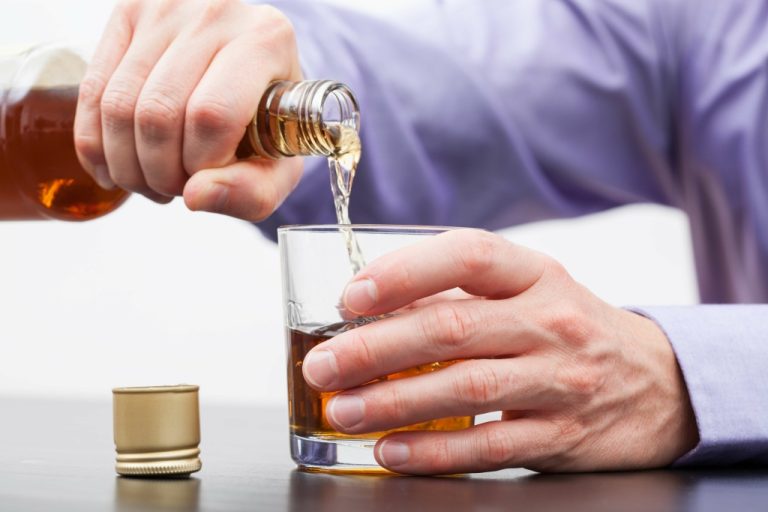
While it is impossible to speed up the marijuana addiction rate at which alcohol is metabolised, there are several things you can do to support your body’s natural recovery process. Detoxing from alcohol can be challenging, and there is no one-size-fits-all answer for how long it takes. The process typically begins once a person stops drinking, and the alcohol starts to leave their system.
What Are the Long-Term Effects of Alcohol Flushing?
And being under the care of a qualified provider can help keep you safe if you experience dangerous withdrawal symptoms like delirium tremens, which may occur in cases of severe AUD. Men may metabolize alcohol more quickly than women since they have higher levels of https://mainwp.interstellarconsulting.com/2024/07/10/signs-of-alcoholism-know-the-warning-signs-of/ alcohol dehydrogenase (ADH) in their stomach and liver. A urine ethylglucuronide (EtG) test can detect alcohol for up to 48 hours after your last drink. If you have been drinking heavily, alcohol can continue to show up in your urine for up to 72 hours or more. Drinking excessive amounts of water to try to flush out alcohol can lead to water intoxication, which can be dangerous and even fatal. Gender also plays an important role in determining how quickly alcohol is cleared from urine.
Drinking water doesn’t help
- We’ll discuss the essential steps you need to take to properly flush alcohol from your system and ensure you’re ready to pass that drug test.
- A blood alcohol test can show evidence of alcohol in your system up to 12 hours later.
- Electrolyte drinks can also help to replenish electrolytes that alcohol depletes.
Eating carbohydrates can help raise blood sugar levels when symptoms of hypoglycaemia begin. It is impossible to speed up how quickly alcohol is metabolized and eliminated from the body. It is important to note that attempting to manipulate the results of an alcohol test is not advisable and may have consequences. This process typically takes 12 to 80 hours, depending on various factors such as metabolism, age, weight, liver health, and food intake. When alcohol is consumed on an empty stomach, it moves quickly to the small intestine and bloodstream, leading to increased intoxication and more prominent toxic effects. Conversely, consuming food before or with alcohol slows down its absorption, giving the stomach time to break down some of the alcohol before it enters the bloodstream.