

Your liver is what helps break down the alcohol and reduces its harmful effects with the enzymes it produces. Overconsumption of alcohol can lead to a lot of protein and fat development, which can lead to the enlargement of the liver and make it fatty. This reduces the enzyme secretion capacity due to dehydration of the liver, and your whole system can collapse. After you are already dehydrated, consuming oily and fatty fast food is not a good idea. These foods dehydrate the body even more, so once you feel that a lot of beer has dehydrated your system, you must have a healthy and light meal. The normal metabolism of your body can turn some of the components of the beer or alcohol into nutrients and energy components that can lead to dehydration.
How to Avoid Alcohol Dehydration
Without this hormone, your body produces more urine, leading to dehydration. A good way to limit your overall alcohol consumption, and thus limit alcohol’s dehydrating effects, is to alternate alcoholic drinks with glasses of water. Due to the lower alcohol content, beer will dehydrate you slightly less than liquor. However, due to how alcohol affects the production of ADH, you will still become dehydrated after drinking beer. Consuming one beer leads to a 62% increase in urine produced compared to having a glass of water. The higher the alcohol content, the more dehydrating the drink will be.
- For a deeper dive into the science behind alcohol’s effects, check out our FAQ.
- Alcohol is also known to break down muscle tissue and reduce protein synthesis – sorry, bodybuilders!
- The night is off to a great start and you’re catching up with friends and family.
Best Guatemalan Beers That You Must Try
Alcohol is a natural diuretic that draws fluid out of your body, expelling it through your kidneys and bladder more how much does alcohol dehydrate you rapidly than usual. It does this by inhibiting your antidiuretic hormone — a hormone that’s used by the body to protect against dehydration. This hormone encourages your body to collect concentrated fluid in the kidneys and bladder, before peeing it out.
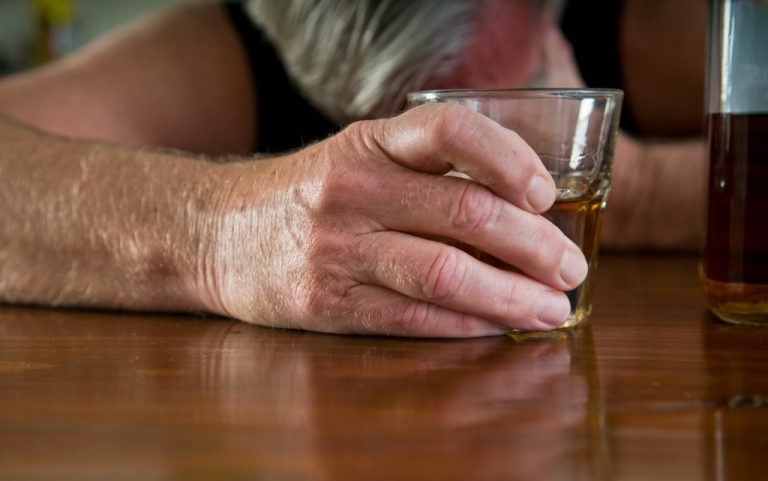
Balancing Alcohol Consumption with Hydration
- When you’re dehydrated, there’s less water in your blood, so the alcohol becomes more concentrated.
- Therefore, alcohol induced dehydration can occur when drinking alcohol without having a glass of water–or more, depending on how much alcohol you’re drinking.
- Without enough ADH doing its job, your body struggles to maintain proper fluid levels.
When we get dehydrated, our body is unable to regulate these important functions, putting us at risk of various health complications. While hangover symptoms may remain, be sure to drink water to help speed your recovery. Once you consume alcohol, it’s already in your body and must be removed by the liver. The liver processes 3/4th of an ounce of alcohol drug addiction treatment per hour, and drinking water will not make it happen faster. One large study found excessive alcohol consumption is linked to accelerated facial aging.
South African Hops: Find the Best African Hop for Your Next Drink
Our daily research-backed readings teach you the neuroscience of alcohol, and our in-app Toolkit provides the resources and activities you need to navigate each challenge. Dehydration can affect multiple bodily functions and cause a wide range of symptoms. This can become fatal for your system and can lead to extreme cases of dehydration and hospitalization.
This site is being redeveloped. For all the latest ABC Science content click here.
Alcoholic beverages are a little more complicated than other fluids. Drinks with alcohol content, like beer, react with your renal system and make your body lose fluid from the kidneys, uterus, and bladder at the same time. The best way to avoid alcohol dehydration is to avoid consuming alcohol entirely. However, if you plan to partake in beer, wine or other alcoholic beverages, there are a few things that can be done to lessen dehydration’s toll on your body. That makes beer the clear contender as the least dehydrating, with a big caveat. As important as alcohol content https://animate-usa.com/20-ways-to-avoid-peer-pressure-2/ may be, even more important is how much you drink in a given sitting.
Think of it like prepping your body for a marathon, but instead of running, you’re… This helps ensure your body has a good baseline of fluids to work with, making it less likely you’ll get hit hard by dehydration later. When you drink too much beer, the antidiuretic hormones “vasopressin” are inhibited. As a result, you find yourself extremely dehydrated after a full night of hangover. Alcohol can impact your hydration levels regardless of the time of day, as its dehydrating effects are consistent.
It centers on being more conscious and thoughtful of how much, how often, and why you drink. As a result, you’ll enjoy better sleep, improved mood and energy, and fewer wellness issues. Hence, drinking before bed can cause sleep disruptions later in your sleep cycle and lead to insomnia symptoms over time. Alcohol can deprive you of the energy and mental focus you need to go through the following day. You may also feel sluggish, groggy, and easily irritable, mainly due to disrupted sleep or low blood sugar levels.